Farm To Farm Tours

  • Home
  • New Zealand Tours
    • Group Travel
    • Independent Travel
    • About New Zealand
  • Global Tours
    • General Interest Farm Tours
    • Specialty Tours
  • About Us
  • Travel News
    • Archive
  • Contact Us

Home > New Zealand Tours > About New Zealand

About New Zealand

New Zealand is a land rich in contrasts with mighty mountain ranges, sweeping lowland plains, rugged bush clad hills, active geothermal regions and spectacular lakes, rivers and coastlines. New Zealand has a population of 4.3 million people, making it one of the world’s least crowded countries. The majority of the multicultural population is of British descent and the indigenous Maori people make up around 15% of the population. Increasing Asian and Pacific Island populations add to the ethnic mix.

Geography

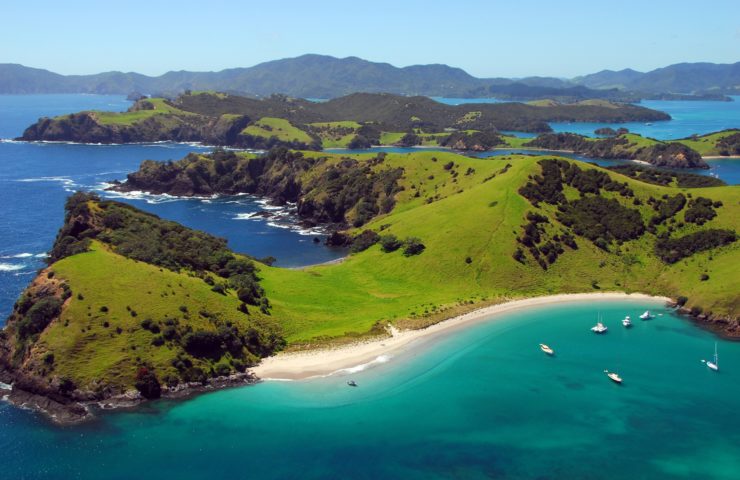
about_new_zealandNew Zealand is an island country in the southwest Pacific – around 1,600 km east of Australia and geographically comparable in size (270,500 sq km) and/or shape to Great Britain or Japan. New Zealand comprises the North and South Islands and a host of smaller islands.

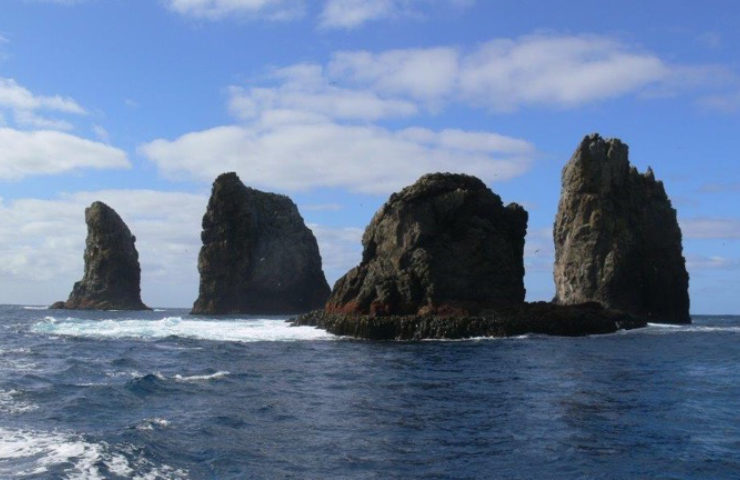
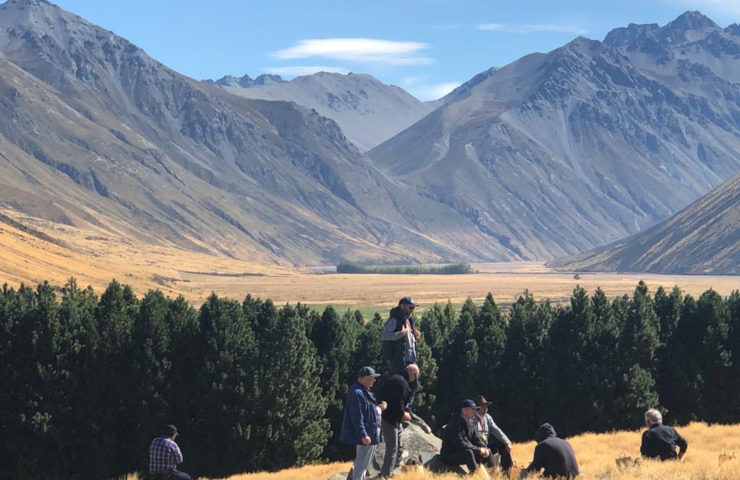
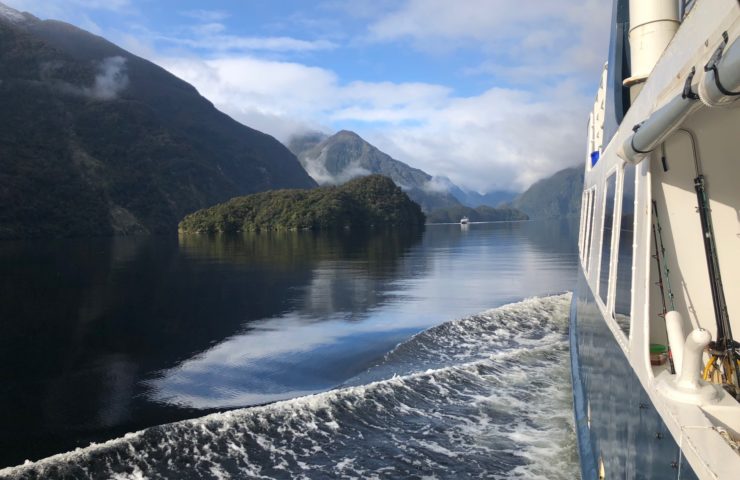
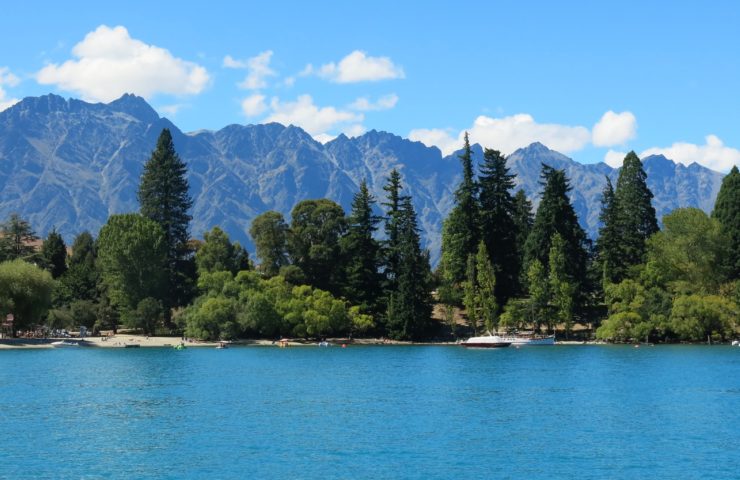
The North Island is home to New Zealand’s largest lake, Taupo (606 sq km), longest river, Waikato, and most of the country’s active volcanoes – all of them usually quiet. Hot springs, geysers and mudpools also form part of the volcanic system centred at Rotorua. In the South Island, one of the most striking physical features is the Southern Alps including, New Zealand’s highest peak. Mount Cook (Aoraki). These, along with fiords, glaciers, lakes and the coastal plains of Canterbury and Southland, add to the variety of the South Island’s scenery.

Highest mountain Aoraki/Mt Cook (3,754 m)

Deepest lake Lake Hauroko (462 m)

Longest river Waikato River (425 km)

Largest glacier Tasman Glacier (28.5 km long)

Deepest cave Nettlebed (NW Nelson) (889 m)

Coastline length 15,134km (putting us in 10th place globally for this characteristic)

Climate

A temperate climate with relatively small seasonal variation makes New Zealand an ideal year-round destination. The north is subtropical and the south temperate. The seasons are opposite to those in the Northern Hemisphere. The warmest months are December, January and February and the coldest are June, July and August. In summer, the average maximum temperature ranges between 20oc and 30oc and, in winter, between 10oc and 15oc. Westerly wind patterns mean greater rainfall on the west coast, around 1000-2000 mm, compared with eastern regions at about 650-750 mm annually.

Economy

New Zealand has a mixed economy that operates on free market principles. It has sizeable industry and service sectors complementing a highly efficient primary sector. The primary sector directly contributes 8% to GDP, more than double the OECD norm. That’s not surprising when you consider one third of the country’s total area is sown in pasture and sheep out number people by eight to one! Tourism, forestry, horticulture, fishing and manufacturing have become increasingly important sectors in the economy in recent years.

Agriculture in New Zealand

The New Zealand economy is principally based on its farm production and export food and fibre industries. Agricultural and forestry products earn more than half of New Zealand's export income and employs about 8.5% of the working population. With 63,000 farms at an average size of 232ha, NZ farmers produce 22% of the global dairy products traded, 55% of global sheep meat traded, and 75% of global lamb meat traded.

Grazing land use: stock numbers (million)

Dairy cattle 5.9

Beef cattle 4.4

Sheep 34

Deer 1.4

Irrigation is a prerequisite for dairy farming, horticulture and arable farming in much of the South Island and is contentious as there is growing demand by competing parties for diminishing water resources.

Dairy cattle

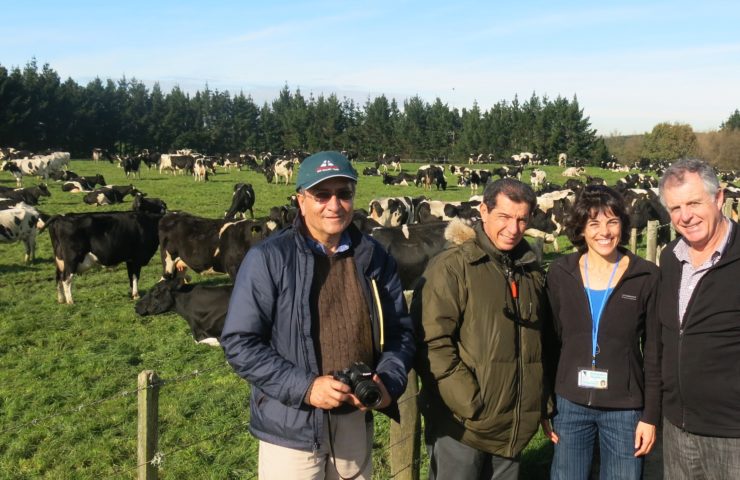
The national dairy herd is around 5.9 million, having tripled in the last 30 years. New Zealand is the largest dairy exporter in the world and the eighth largest milk producer, averaging 2.2% of world milk production. The average herd size is over 350 cows with many herds larger than 500 cows. Our dairy season runs from the 1st of June through to the 31st of May and New Zealand now process a staggering 14.7 billion litres of milk per year – 95% of which is processed for export. There has been a continuing trend towards dairy powder exports, especially whole milk powder, casein and ingredients.

Beef Cattle

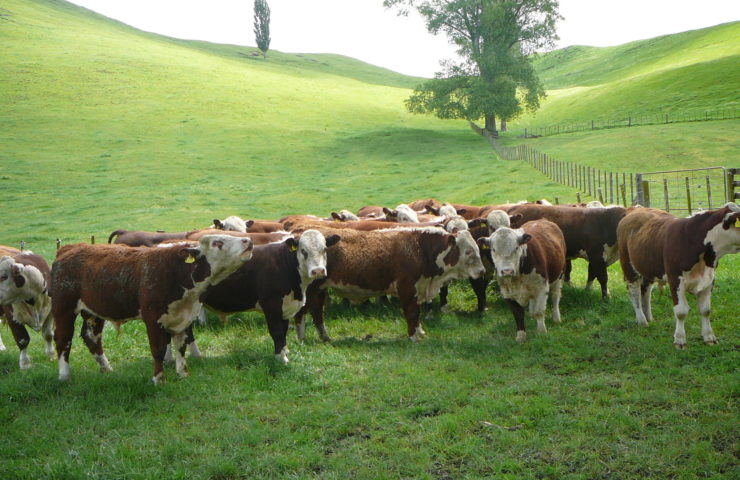
Total beef cattle numbers are around 4.4 million. The US remains New Zealand's most important beef market with North Asia being the second largest market. Most bulls and steers are finished at 18-24 months old on pasture at around 300kg carcass weight (cwt). Heifers are finished at 200 - 250 kg cwt for the New Zealand market.

Sheep and Wool

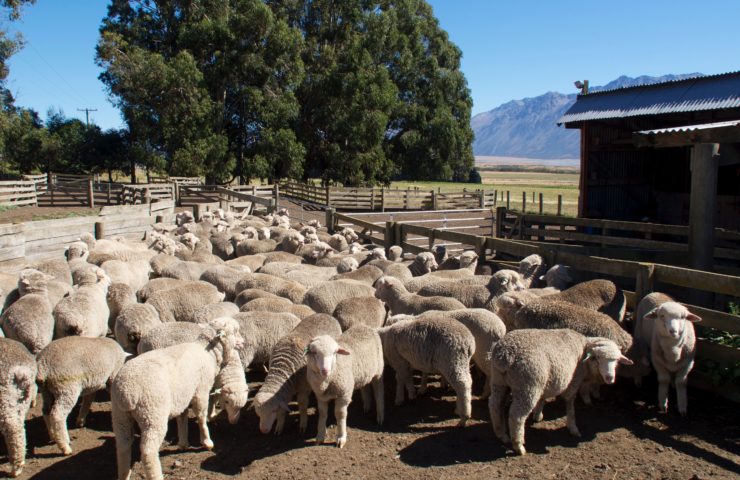
Total sheep farmed are 34 million, having decreased significantly in recent decades as land use has converted to deer, forestry and dairy (particularly in the South Island). More recently, however, farmers are seeing an upturn in sheep meat and wool prices. The EU and Asia are sigificants markets for New Zealand lamb and wool exports.

Deer

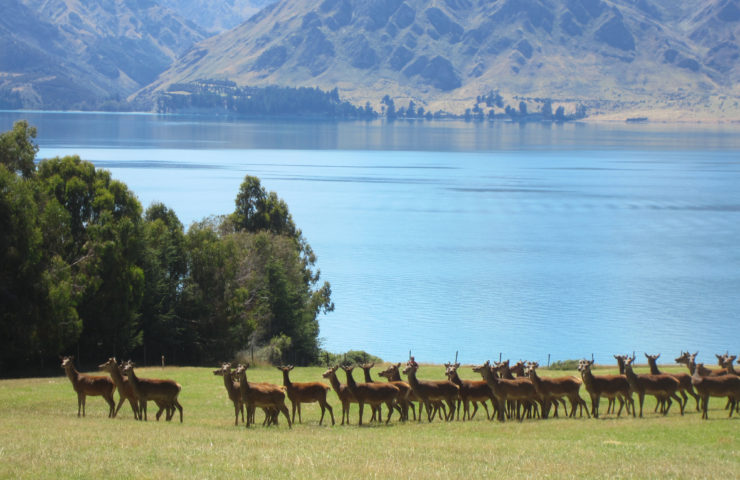
The deer farming industry has grown significantly in the past quarter century. There are about 4000 deer farms in New Zealand with 1.8 million farmed deer (half of the world's farmed deer population). New Zealand venison production is currently around 23,000 tonnes of which 90% is exported, mainly to Europe. New Zealand's position as the world's largest producer and exporter of farmed venison means that changes in production have a substantial impact on market returns. New Zealand velvet returns are highly dependent on prices received in Korea, where most of New Zealand's production is sold.

Fruit

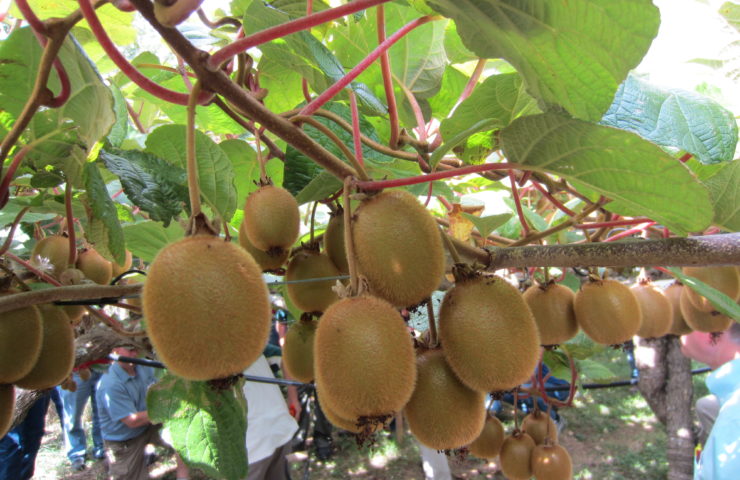
There is a canopy area of kiwifruit around 13,250 hectares, predominantly grown in the Bay of Plenty region. The green variety of kiwifruit accounts for around 80% of kiwifruit grown the newer gold variety for the rest. New Zealand also has around 3,600 hectares planted in avocados, 9,000 hectares in apples and further land in other summer fruits such as citrus, apricots, cherries, peaches and plums. Apple and kiwifruit exports are important to our ecomony.

Wine grapes

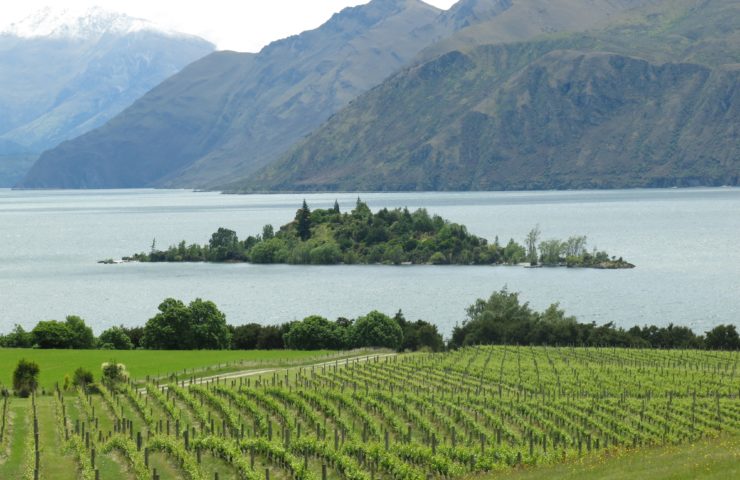
The area planted in wine grapes has continued to increase and plantings now cover around 32,000 hectares. The regions with the largest areas of wine grapes are Marlborough, Gisborne, Hawke's Bay, Nelson, Martinborough, Canterbury and Central Otago. The predominant varieties are Sauvignon Blanc, Pinot Noir, Cabernet Sauvignon blends, Riesling and Chardonnay. Wine is an important export industry.

Crops

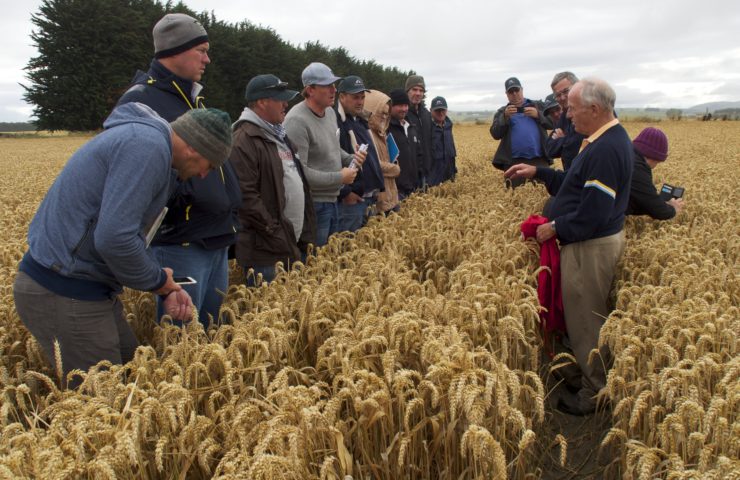
New Zealand grows approximately 50,000 hectares of wheat, 68,000 hectares of barley and 23,000 hectares of maize. Small seeds crops of ryegrass and clover are also important export crops and often multiplied up for northern hemisphere countries.

Vegetables

Potatoes (11,500 ha), onions (4,000 ha), squash (7,000 ha) and sweetcorn (5,000 ha) are New Zealand's most important vegetable crops for export and domestic markets. A range of green vegetables and process vegetable crops, such as peas, are also grown in some regions.

Forestry

Forestry is a major land use, employer and export industry in New Zealand and around 40,000 hectares of exotic forest (mainly Pinus Radiata) is harvested annually. New Zealand has nearly 2 million hectares of exotic plantation forest of which pinus radiata dominates at 90%. Douglas Fir and other exotic species account for the rest.

nz_map_detailed  

What they say

Our trip to New Zealand was above our expectations. The tour guide, driver, hotels, New Zealand people and farm hosts all made this trip one to remember and I would recommend it to anyone.

J&G, USA


Call us toll free on 0800 FTFTRIP (0800 3838 747)

Agricultural Tour Operators Internationaltourism_export_council
The Mark of Quality

Farm To Farm Tours is a foundation member of Agricultural Tour Operators International.

How to Contact Us

FARM TO FARM TOURS
Box 239, 77-83 High Street, Rangiora 7400, New Zealand
Ph +64 3 313 5855  Fax +64 3 313 5596  Email info@farmtofarm.co.nz

Make an enquiry
 

For more information please Email Us or call toll free on 0800 FTFTRIP (0800 3838 747)

Farm to Farmfacebook_badge

Copyright © Farm To Farm Tours Ltd
Development by E2 DIGITAL

 
  • Home
  • Contact Us
  • Sitemap
  • New Zealand Tours
  • Global Tours
  • About Us
  • Travel News